
Last updated August 25, 2026
Free on-site gate assessment - hinges, posts, and your LiftMaster or Nice gate operator checked before anything is quoted
The assessment is free and the quote is the invoice.
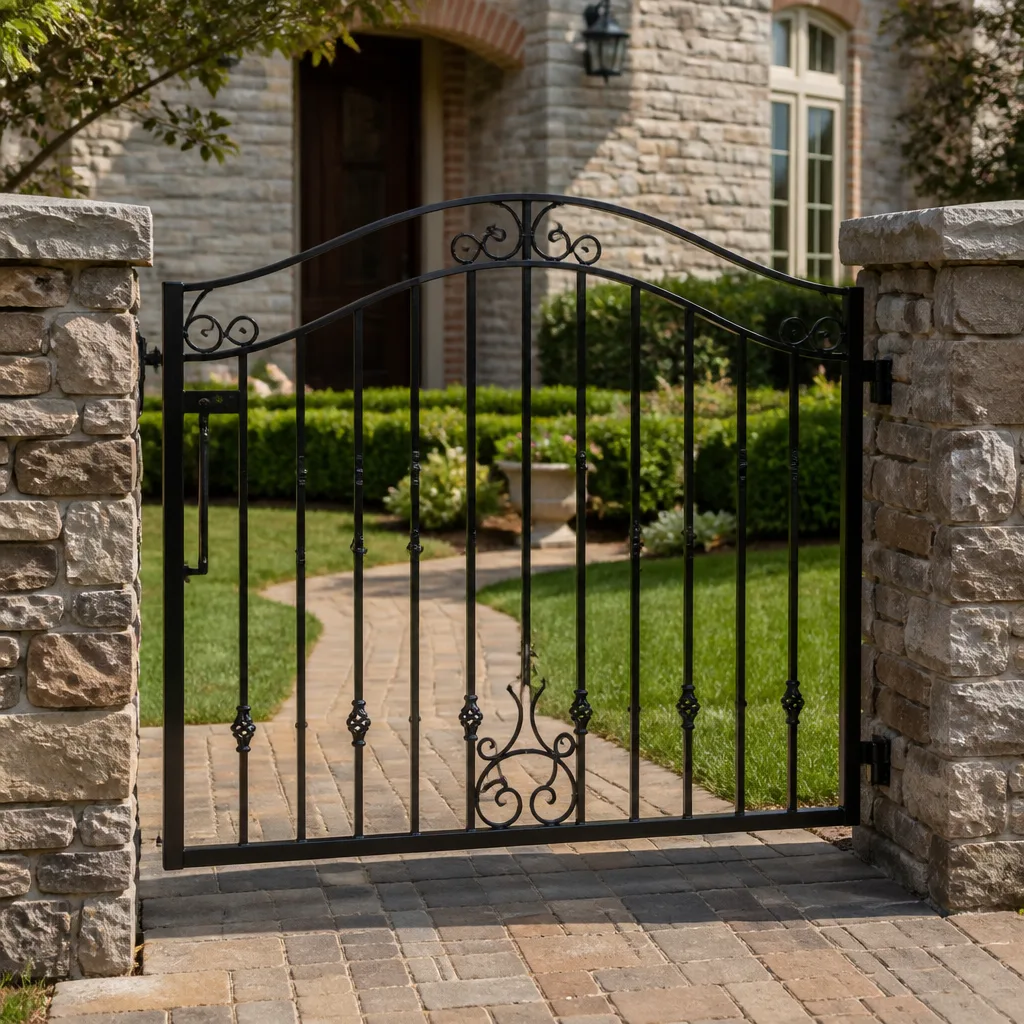
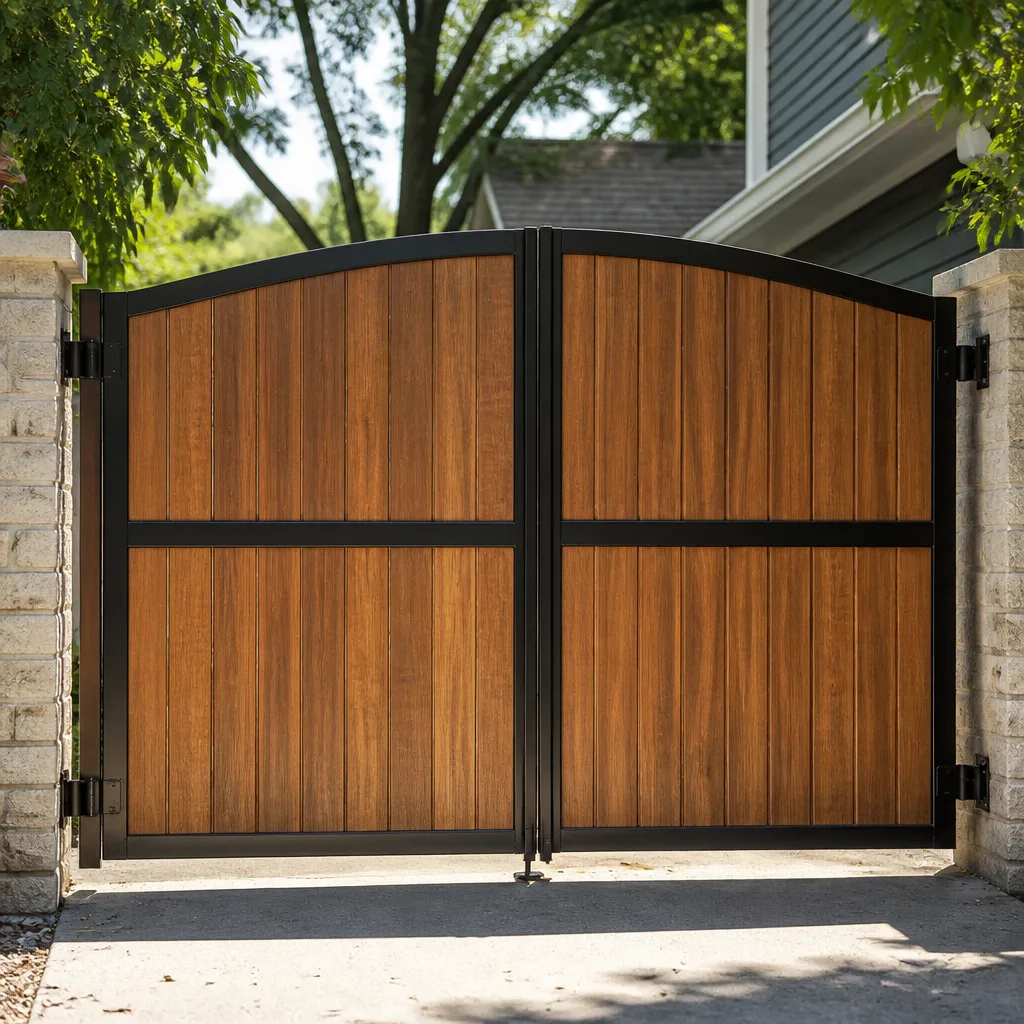
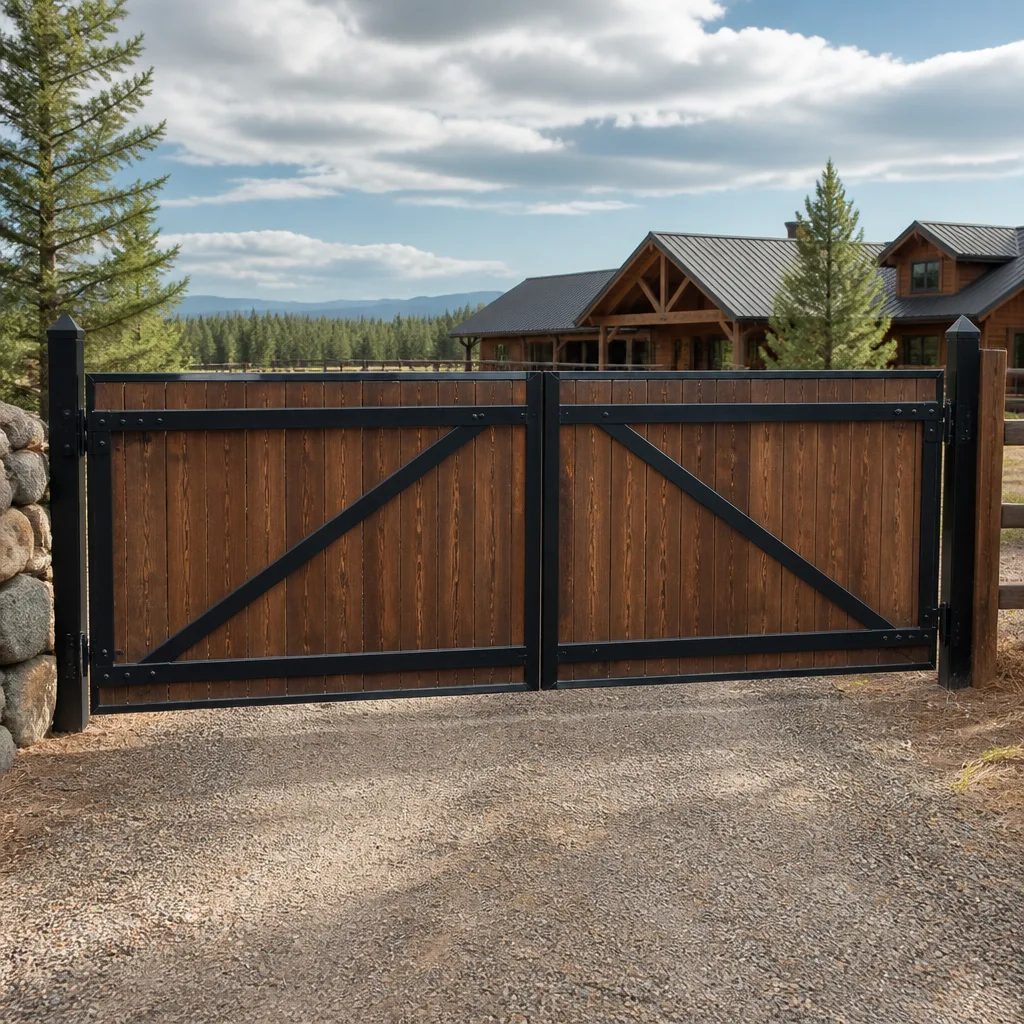
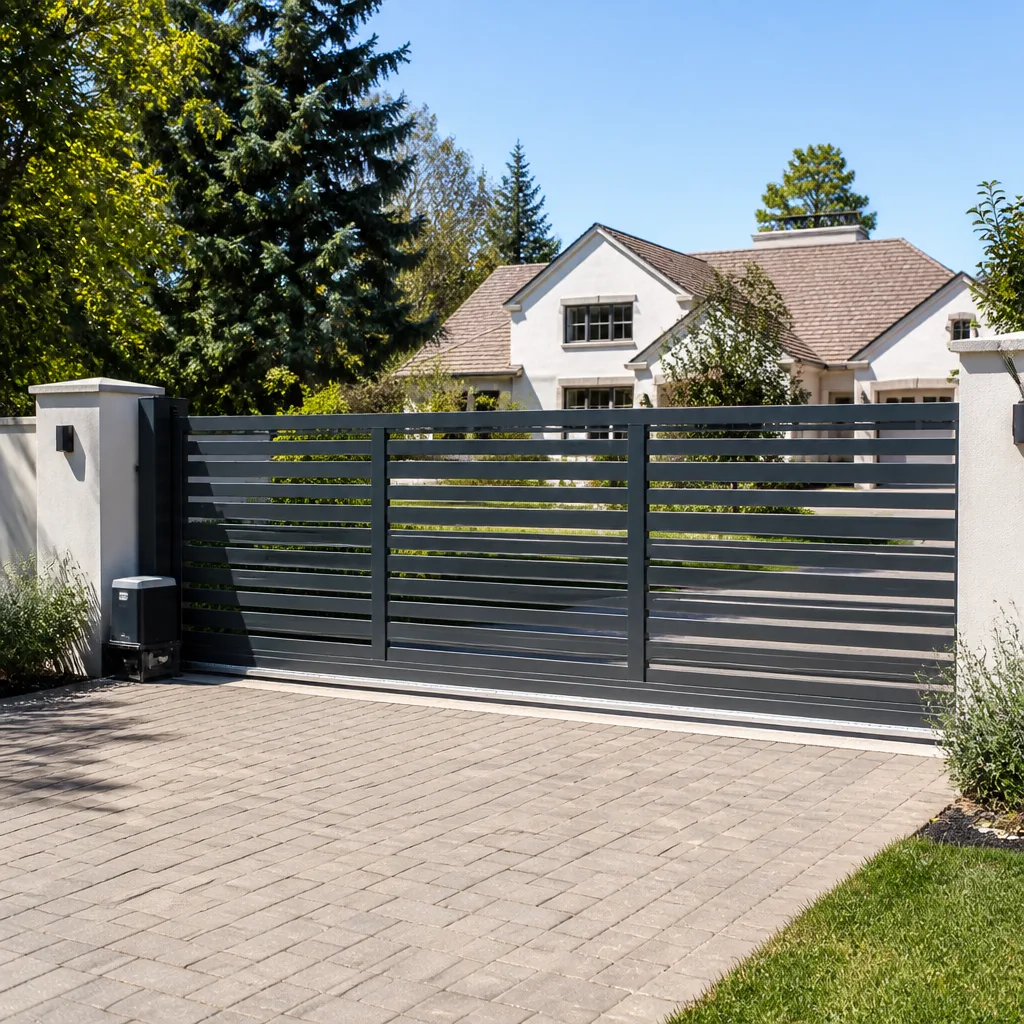
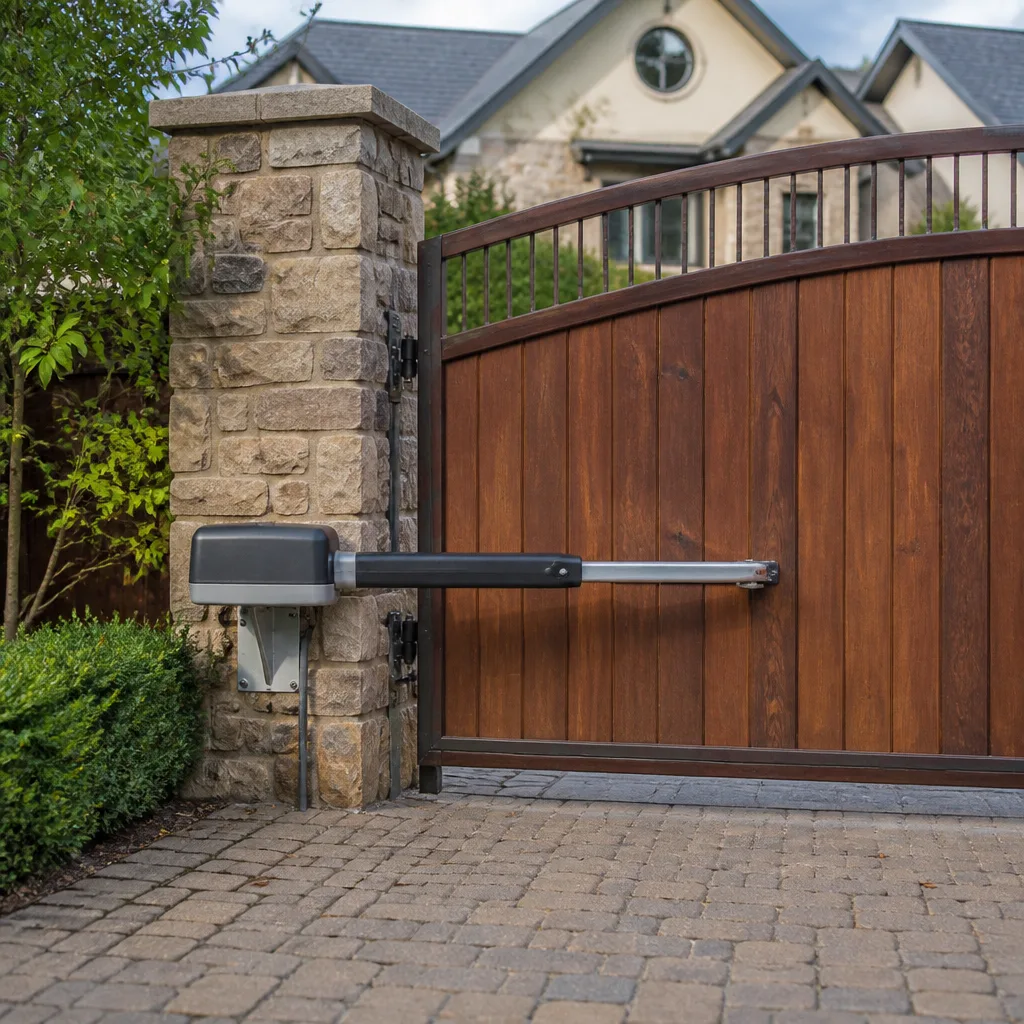
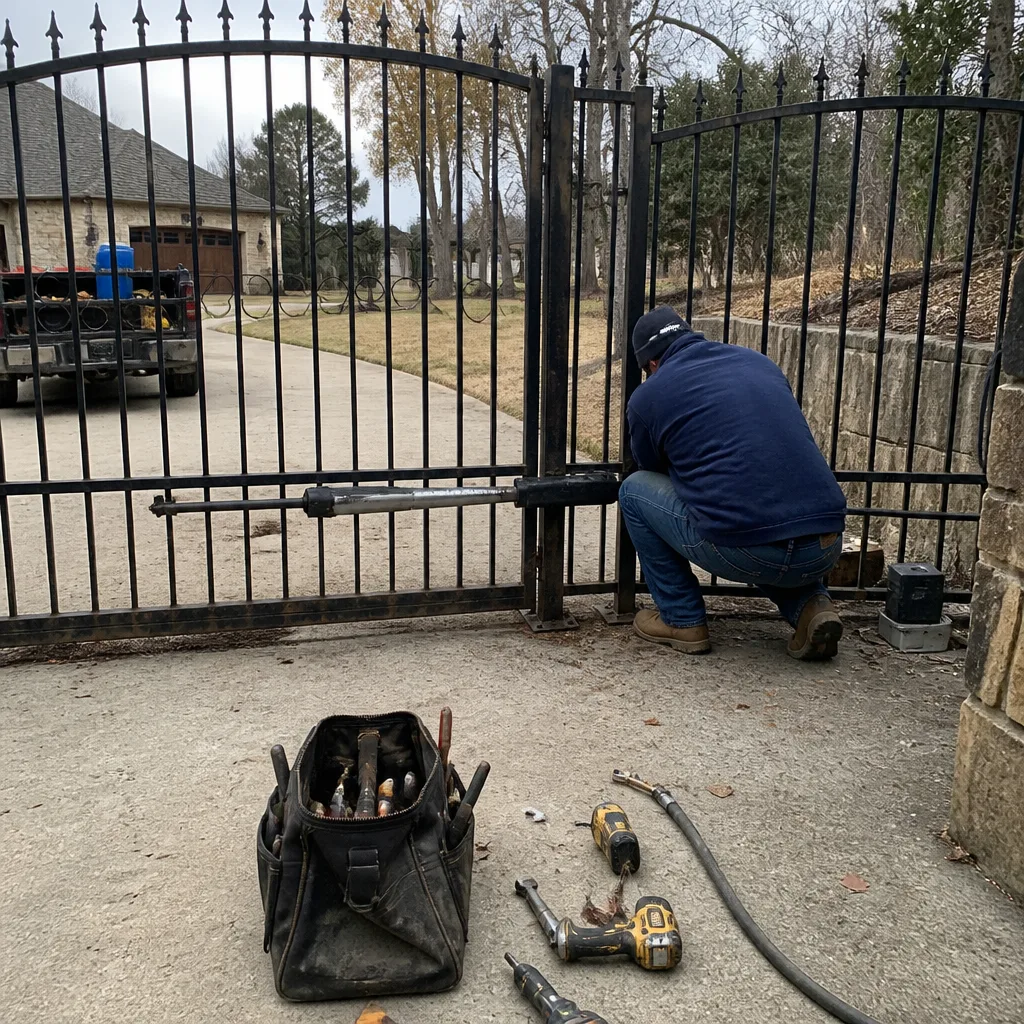 Before
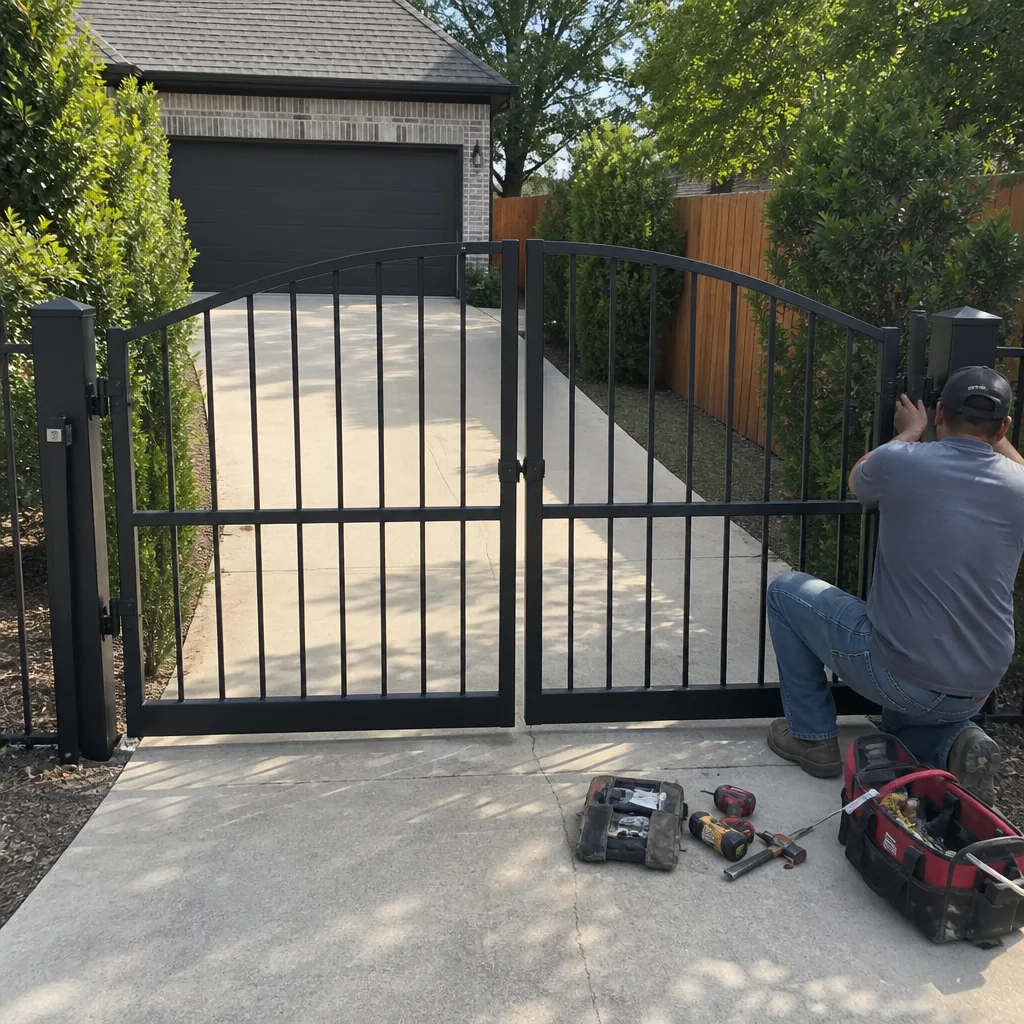 After
After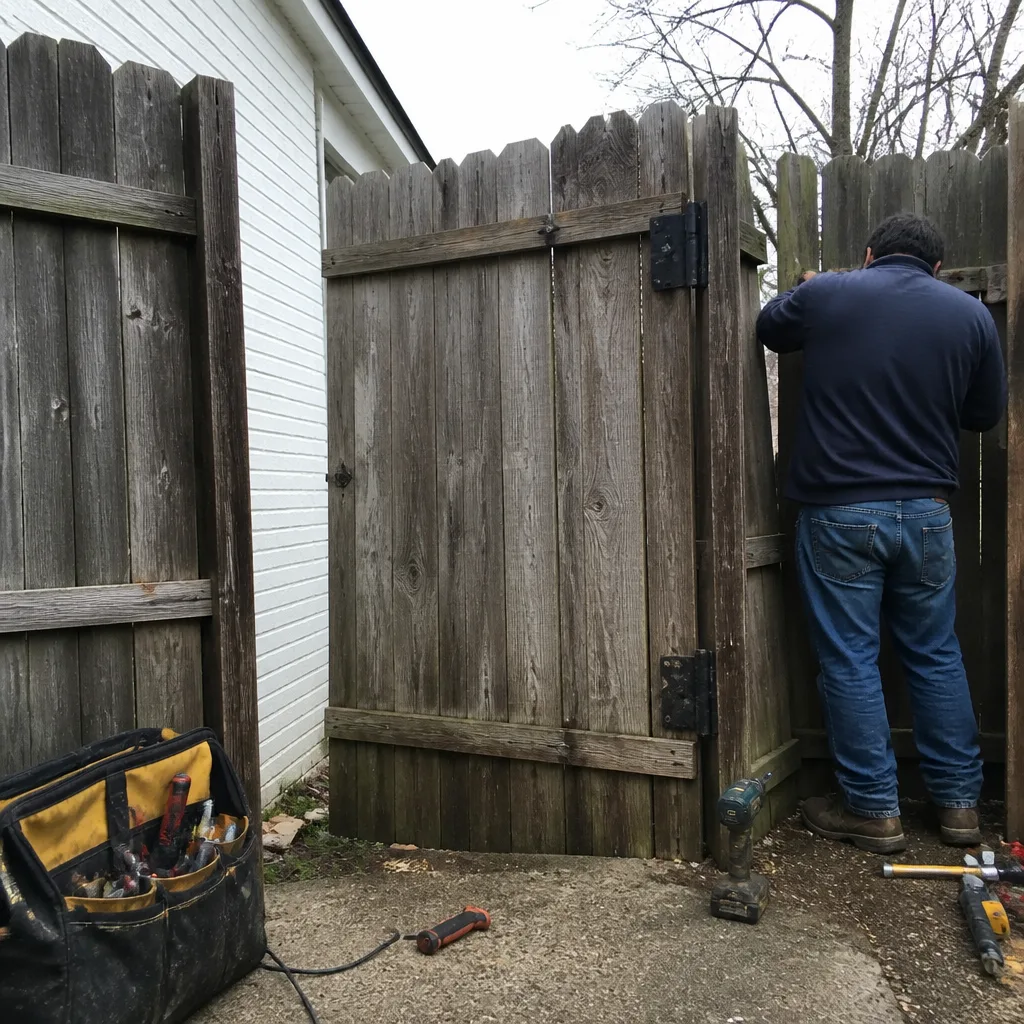 Before
 After
After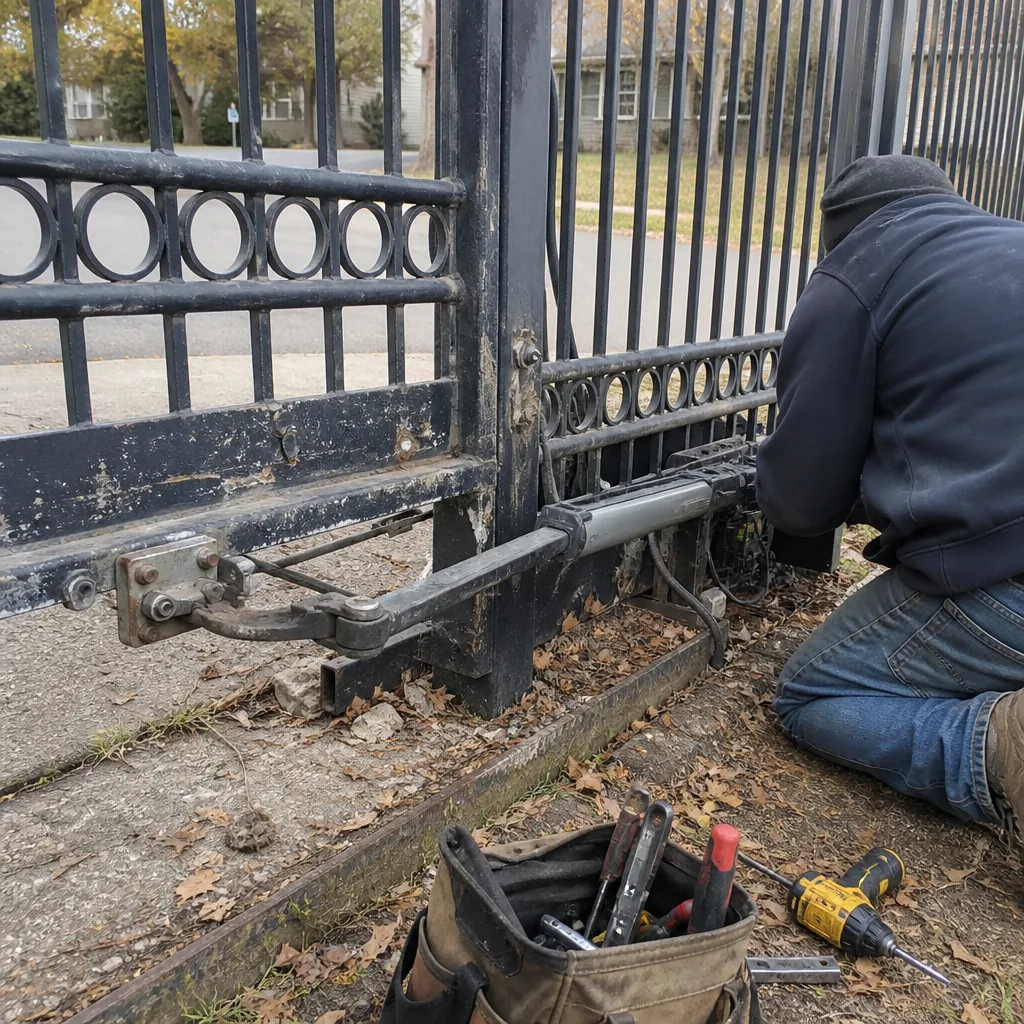 Before
 After
AfterDIY vs Professional Gate Repair: The Little Elm Homeowner’s Decision Guide
Here’s a fact most Little Elm homeowners don’t hear until it’s too late: the average automatic driveway gate cycles open and closed roughly 1,200 times a year, and in Texas weather, that’s a beating no piece of machinery gets for free. The gate that worked perfectly in October starts creeping slower in January, catches on the track in March, and stops closing at all by June. The question is never whether a gate will need attention. It’s whether the person fixing it knows what they’re doing. This guide lays out, in plain language, which gate repairs a capable homeowner in Little Elm can handle with basic tools, which ones demand a professional touch, and what each choice really costs in time, money, and risk. By the end, you’ll know exactly where your gate problem falls, and whether this is a Saturday morning project or a phone call.
Quick Answer
Most cosmetic and preventive gate maintenance, like cleaning the track, lubricating hinges, and tightening loose bolts, is safe for a Little Elm homeowner to handle on a Saturday. But repairs involving torsion springs, gate motors, electrical wiring, or welding should go to a professional. The rule of thumb we use: if the part moves under tension, runs on current, or holds the gate’s weight, it’s usually cheaper and safer to call someone who does it every day. In Little Elm, a professional gate repair visit typically runs between $95 and $180 for diagnosis, with most repairs settling between $180 and $450, depending on the part and the amount of labor involved.
Table of Contents
- Understand Your Gate Before You Touch It
- DIY-Safe Repairs: What a Homeowner Can Handle
- What to Leave to a Professional (and Why)
- Cost Breakdown: DIY Time vs Professional Dollars
- Tools and Parts: What You’ll Need for Basic Work
- Safety First: What Little Elm Heat and Texas Clay Do to Gates
- When DIY Goes Wrong: The Hidden Costs
- Hiring a Pro in Little Elm: What to Look For
Understand Your Gate Before You Touch It
A driveway gate is not one machine. It’s a system with four distinct layers, and most DIY failures happen when someone fixes the wrong layer. The physical gate is the frame, the pickets, the hinges, and the posts it hangs on. The operator is the motor box mounted on the post or buried underground. The access system is the keypad, the remote controls, the loop detector under the driveway, and the intercom. The safety system is the photo eyes, the reversing edge, and the warning lights. A gate that won’t close could be failing in any one of those layers, and a homeowner who assumes it’s the motor when it’s actually a misaligned photo eye will spend $300 on a part that was never broken.
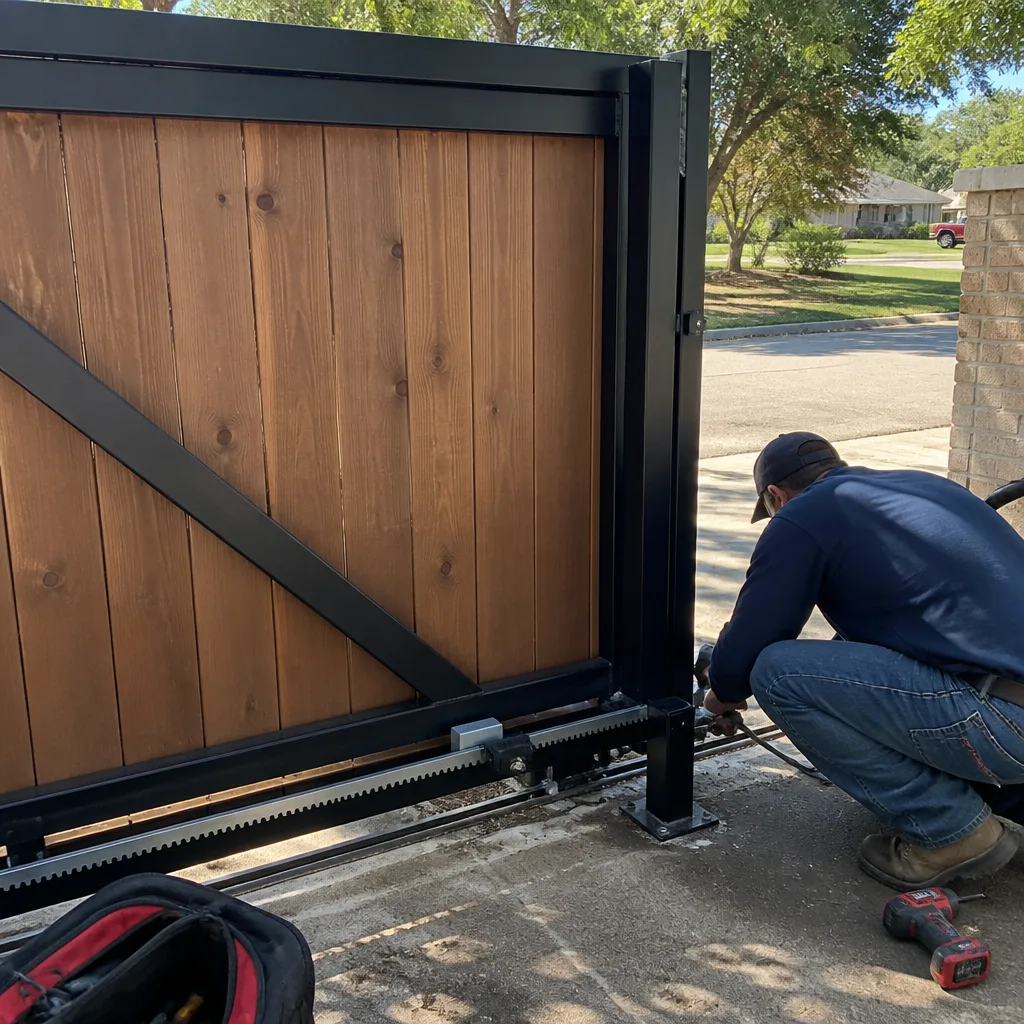
Understanding your setup takes ten minutes. Open the operator cover and look for the brand name. In Little Elm, we see a mix of LiftMaster, FAAC, and Mighty Mule operators on residential driveways, with occasional Elite models on older estates along the lake. Write down the model number. Take a photo of the control board. Check whether your gate is a swinging gate, a sliding gate, or a cantilever gate. Sliding and cantilever gates roll on a track or a set of rollers along the bottom, and Little Elm’s clay-heavy soil shifts enough through the year to knock those rollers out of alignment, which is the single most common reason a sliding gate binds up. Swinging gates hang on hinges, and their most common problem is sag from worn hinge bushings or a post that’s slowly leaning. Knowing which type you have tells you whether a problem is mechanical or electrical before you even pick up a wrench.
DIY-Safe Repairs: What a Homeowner Can Handle
There’s a real list of gate maintenance tasks that a reasonably handy homeowner can do safely, and doing them extends the life of the gate meaningfully. These are the jobs we tell our own customers in Little Elm they can absolutely handle themselves, especially between professional tune-ups.
- Cleaning the track and rollers. For sliding gates, clear out leaves, gravel, and the fine clay dust that blows off the Little Elm prairies and packs into the track. Use a stiff brush and a shop vacuum. This takes twenty minutes and prevents most binding.
- Lubricating hinges and rollers. Use a white lithium grease on hinge pins and a silicone spray on rollers. Do not use WD-40 as a lubricant. It’s a solvent and will strip what’s left of the grease. Lubricate every three months, and more often in summer when the heat thins everything out.
- Tightening visible bolts. Gate hardware vibrates loose over time. Grab a socket set and check the hinge bolts, the operator mounting bolts, and the bracket connections. If a bolt turns with light pressure, it was on its way out.
- Cleaning photo eyes. The small sensors on either side of the gate track get coated in pollen, spider webs, and dust. A soft cloth and glass cleaner fixes most “the gate won’t close” complaints in under five minutes.
- Replacing remote batteries. If the gate operates from the keypad but not from the remote, that’s almost always a battery. It’s a $3 fix and a thirty-second job.
- Testing the reversing mechanism. Every month, place a cardboard box or a trash can in the gate’s path and close it. The gate should reverse on contact. If it doesn’t, stop using the gate and call a professional immediately. This is a safety issue, not a convenience issue.
These six tasks cover about 40% of the gate service calls we get from Little Elm homeowners. That’s not a criticism. It’s an invitation. Keep the gate clean, lubricated, and tight, and you’ll avoid the expensive fixes that come from years of neglect.
What to Leave to a Professional (and Why)
Now the other side of the list, and this one matters more. There are components on a gate that carry stored mechanical energy or live electrical current, and neither one forgives a mistake.
First, torsion springs. Some estate gates, particularly older iron gates, use torsion springs to offset the gate’s weight. A torsion spring under load stores enough energy to break a hand or open a scalp if it lets go. Working on one without the proper winding bars and procedure is not brave. It’s reckless. We have repaired gates in Little Elm where a homeowner’s spring release snapped a fence picket clean in half. The spring itself was a $40 part. The hospital visit was not.
Second, any work inside the operator housing. Modern gate operators run on 120-volt or 240-volt AC, with a control board managing DC for the motor and accessories. Opening the cover and poking around with a multimeter is how you turn a $150 board replacement into a $900 operator replacement. Gate automation across brands like FAAC, Elite, and LiftMaster is not standardized. Wiring colors differ. Board layouts differ. A homeowner who watched a YouTube video for a different brand will wire something wrong and smoke a board in about four seconds.
Third, welding. Gate frames crack over time, especially at the corner joints where the winter wind off Lake Lewisville and the summer heat stress the metal through repeated expansion and contraction. Fixing a cracked weld properly requires a wire-feed welder, the right heat settings for the metal thickness, and a grinder to clean the joint before and after. A bad weld looks fine for six months and then fails catastrophically, usually while the gate is mid-swing and a child is nearby.
Fourth, post resetting. When a gate post leans, the proper fix is digging it out, setting the new post in concrete, and bracing it while that concrete cures. Little Elm’s clay soil expands when wet and contracts when dry, which is why posts lean faster here than almost anywhere else in the metro. A homeowner who tries to straighten a post with a car jack and a come-along usually ends up with a cracked concrete footing and a still-leaning post, plus a gate that now binds worse than before.
The honest test is simple: if the part is under tension, wired into the panel, or needs to be stronger than the metal around it, call someone who carries the right tools and the right insurance. That’s the line we draw for our own work, and it’s the line we recommend to every Little Elm homeowner.
Cost Breakdown: DIY Time vs Professional Dollars
Money is the first question most homeowners ask, so here’s the honest math. DIY gate repair is cheaper in dollars and more expensive in hours, and the ratio flips depending on the job. This table reflects what homeowners in Little Elm typically pay, based on local parts pricing and the labor rates we see in Denton County.
- Track cleaning and lubrication: DIY $10 in supplies and 30 minutes. Professional $89 as part of a seasonal tune-up.
- Photo eye realignment: DIY free, 10 minutes, if you know which way to aim them. Professional $95 to $130, often bundled into a service call.
- Hinge replacement: DIY $25 to $60 per hinge, 45 minutes per hinge, plus the cost of a floor jack to support the gate. Professional $180 to $320 for one hinge, depending on gate size and weight.
- Keypad replacement: DIY $60 to $150 for the part, 30 minutes if the wiring is intact. Professional $150 to $260 installed, and the pro guarantees the programming actually works with your operator.
- Operator replacement: Professional $900 to $2,400 installed, depending on the gate’s weight, the opener brand, and whether access control needs to be integrated. This is not a DIY job, and attempting it voids the operator’s warranty.
- Gate wheel or roller replacement for sliding gates: DIY $30 to $80 per wheel, 30 minutes each. Professional $180 to $380, including adjusting the gate so it rolls true.
- Welding a cracked frame joint: Professional $150 to $450, depending on the crack’s location and the prep work involved. DIY is not recommended without welding experience and the right equipment.
Here’s the pattern: the small preventive jobs favor DIY, and the structural or electrical jobs make DIY more expensive than hiring a professional in the first place. You save $200 doing your own hinge replacement and then spend $400 replacing the gate panel you bent when the gate slipped off the jack. You save $150 on a DIY operator diagnostic and then buy a new $1,200 operator because the board is fried. Professional gate work is the same as professional plumbing or HVAC work: the fee covers the fix, and the guarantee covers what happens after. Ironworks Gate Co. gives every job in Little Elm the 90-Day Done Right Promise in writing, which means if a fix doesn’t hold, the truck comes back and makes it right. No follow-up invoice. No argument.
Tools and Parts: What You’ll Need for Basic Work
If you’ve decided to handle the maintenance-level work yourself, the right tools make the difference between a smooth Saturday and a frustrating one. Most homeowners in Little Elm already own half of this list. The rest costs under $60 total.
- Socket set with metric and SAE sizes, 10mm through 19mm. Gate hardware is rarely the same size from one brand to the next.
- Stiff-bristle brush for clearing the track. A drywall brush works well.
- Shop vacuum for pulling debris out of the track channel and the operator housing.
- White lithium grease in a spray can or tube. This is the right lubricant for hinge pins and gate wheels.
- Silicone spray for plastic parts, rollers, and the chain drive if your operator has one.
- Level, at least two feet long, for checking whether a post or a track section has shifted.
- Floor jack and a short length of 4×4 post for supporting a swinging gate while you work on hinges. Do not use a car jack on dirt. Put a plywood scrap under it.
- Work gloves and safety glasses. Gates are heavy and metal splinters are real.
For parts, buy based on the brand stamped on the operator or the hinge. A universal part works until it doesn’t, and a gate is a poor place to learn that lesson. If your operator is a LiftMaster, buy LiftMaster parts. If it’s a FAAC, buy FAAC. The same logic applies to hinges and wheels. A homeowner who puts a cheap box-store hinge on a 600-pound iron gate in Little Elm will replace that hinge again before the next season changes.
Safety First: What Little Elm Heat and Texas Clay Do to Gates
Gates in Little Elm live a harder life than gates in most of the country. The summer heat pushes surface temperatures on dark iron past 150 degrees, which thins out lubricants and accelerates wear on every moving part. The winter fronts that sweep down from Oklahoma drop temperatures fast enough to contract metal and open small cracks at weld joints. The soil, which is a heavy clay mix through most of Denton County, absorbs water in the spring and releases it through the dry summer, expanding and contracting enough to shift posts and knock tracks out of level by half an inch or more. A gate installed level in April can be binding by August, and it’s not because the gate was built wrong. It’s because the ground moved underneath it.
That’s why we recommend a seasonal check on every gate in Little Elm, twice a year, in spring and late fall. Not a full service call, just an eyeball test. Open and close the gate manually and listen. If it grinds, look at the rollers. If it sags, look at the hinges. If it reverses for no reason, clean the photo eyes. If the operator hums but the gate doesn’t move, stop using the opener and pull the manual release. The $89 seasonal tune-up we offer catches most of these small problems before they become big ones, but the homeowner who does the visual checks themselves will catch much of the same territory. The key is doing it on a schedule, not when the gate already failed.
When DIY Goes Wrong: The Hidden Costs
Every professional in Little Elm has been called to a house where a DIY repair went sideways, and the homeowner was too embarrassed to say so on the phone. We don’t judge. We’ve just learned to recognize the signs. Here’s what a failed DIY repair actually costs, beyond the original problem.
The most common failure is the misdiagnosis. A homeowner assumes the operator is dead because the gate won’t move, buys a new operator for $800, installs it, and the gate still won’t move. The real problem was a seized wheel on the track, and the new operator was never the issue. The $800 is spent, the original problem remains, and the new operator is probably damaged now too from trying to push a gate that wouldn’t roll.
The second cost is time. Most DIY gate repairs take three to five times longer than a homeowner plans. A hinge replacement that looked like a one-hour job becomes a four-hour job when the gate shifts, or the bolts snap, or the post turns out to be cracked. For a homeowner in Little Elm, that’s a whole Saturday gone, plus another trip to the hardware store in the middle of it.
The third cost is worsened damage. The gate that leaned one inch now leans four because somebody tried to straighten it with a jack. The control board that needed a $150 relay now needs a $600 board because somebody probed it with a screwdriver. The cracked weld that was a two-inch stop gap is now a twelve-inch crack that split through the bottom rail. Professional repairs get more expensive the longer a failed DIY fix has been in place.
The fourth cost, and the one we take most seriously, is safety. A gate that doesn’t reverse properly is a gate that can injure a person or a pet. A gate held up by a worn hinge can fall. An operator wired incorrectly can start a fire or shock someone. These are not hypotheticals. They happen in residential neighborhoods every year, and the homeowner who was “just trying to save a few bucks” is the one who lives with it. Ironworks Gate Co. home has seen too many of these calls to sugarcoat it: when the risk involves stored energy, live current, or falling weight, the cheap fix is the dangerous one.
Hiring a Pro in Little Elm: What to Look For
So you’ve decided to call a professional. Here’s how to pick the right one in Little Elm, and what separates a gate specialist from a general handyman.
First, ask whether the company works on gates every day or fits them in between other jobs. A generalist who does fences, decks, and the occasional gate repair doesn’t carry the diagnostic tools, the parts stock, or the brand-specific training to work on nine different operator lines. Gate automation is its own trade. A company that’s certified on LiftMaster, FAAC, BFT, Linear, Viking, Ghost Controls, DoorKing, Elite, and Mighty Mule can walk up to a gate, identify the system in two minutes, and fix the right thing the first time. That’s the difference between one visit and three.
Second, ask about the guarantee. A pro who will not write the guarantee down is telling you something. Ironworks Gate Co. puts the 90-Day Done Right Promise on every job, in writing, with no paperwork to file and no argument if something isn’t right. If a repair doesn’t hold, we come back and make it right. Every time. On every job. That’s the Keystone Standard, and a homeowner in Little Elm who has been burned by a contractor before will recognize the difference immediately.
Third, ask about the price before the work starts. A square deal is an upfront price, settled before a single bolt is turned. You should know what the repair will cost, what parts are involved, and what happens if the technician finds something else while the work is underway. No surprises on the bill means no surprises at the kitchen table when the invoice comes out.
Fourth, ask who’s coming to your house. The technician should be background-checked, uniformed, and employed by the company, not a subcontracted stranger with a truck. Victor Salinas runs Ironworks Gate Co. by a simple code: work in a customer’s home the way you’d work in your own mother’s. The K.E.Y.S. values, Krafted right, Every time, Your home first, Standing behind it, are not a poster on the wall. They’re the standard for every job, from the first gate to the four-hundredth.
Common Mistakes to Avoid
- Ignoring a slow gate. A gate that moves slower than it used to is trying to tell you something. Ignoring it for six months turns a $95 service call into a $400 operator replacement. In Little Elm’s heat, the window is shorter.
- Using the wrong lubricant. WD-40 is not a lubricant. It strips grease and leaves the hinge drier than before. Use white lithium grease or silicone, and the gate will move better, not worse.
- Propping a leaning post with scrap wood. A leaning post means the footing is failing. Propping it buys three weeks and makes the eventual repair more expensive. Dig it out and reset it properly, or call someone who will.
- Replacing parts without checking the brand. A universal remote that claims to work with everything usually works with nothing. Match the part to the operator brand and model. The sticker is on the inside of the cover.
- Disabling the safety reversing mechanism. When the gate won’t close because the photo eye is misaligned, some homeowners bypass the sensor. That gate will now close on a person or a pet, and the liability that follows is not worth a five-minute fix.
- Attempting spring work without the right tools. Torsion springs store lethal energy. The tool costs less than the emergency room co-pay. If you don’t own the winding bars, you don’t own the job.
- Hiring on price alone. The cheapest gate repair in Little Elm is usually the one that has to be redone in three months. The most expensive gate repair is the one that was always going to be the second visit. Ask about the guarantee, and get it in writing.
When to Call a Professional
Call a professional when the gate won’t move and the problem is not a dead battery or a dirty photo eye. Call when the gate moves but doesn’t reverse on contact. Call when the operator hums but the gate stays still, when a post is visibly leaning, when a weld has cracked through, or when a spring has snapped and the gate hangs heavier than it should. Call when the keypad works sometimes and not others, because intermittent electrical problems don’t fix themselves. Call when the gate is a swinging gate and it drags on the driveway, because the hinges are failing and the gate’s full weight is riding on them. If you’re not sure what’s wrong, that’s not a reason to wait. It’s a reason to get an experienced set of eyes on the gate before the problem worsens. Ironworks Gate Co. offers free estimates in Little Elm, and a live person answers the phone 24 hours a day, seven days a week, at (432) 547-6481. The price is quoted and agreed before any work starts. No surprises, no pressure, no obligation.
Frequently Asked Questions
Most gate repairs in Little Elm run between $180 and $450, including parts and labor, with simple fixes like photo eye realignment or keypad reprogramming starting around $95 to $130. A full operator replacement runs $900 to $2,400 depending on the gate’s weight and the opener brand. The exact quote is always settled before work begins. Call (432) 547-6481 for a free estimate on your specific gate.
You can change the remote batteries and clean the photo eyes, but anything inside the operator housing involves live electrical current and brand-specific wiring that voids your warranty if handled wrong. A LiftMaster board is not wired like a FAAC board, and guessing with a multimeter turns a small repair into an operator replacement. This is the most common DIY mistake we see in Little Elm.
A gate that won’t close in hot weather usually has a thermal overload in the operator or a track that has expanded enough to bind. Little Elm summers push gate motors hard, and older operators shut down to protect themselves from overheating. The fix is often a cooling check on the operator and a track realignment, which a professional can handle in one visit.
Ironworks Gate Co. is trained and equipped on nine major gate-automation brands, including LiftMaster, FAAC, Mighty Mule, and Elite. Whatever operator is on your Little Elm driveway, we carry the diagnostic tools and the parts to fix it correctly on the first visit, not the third.
The most common repair we make in Little Elm is a sliding gate binding on its track because the clay soil has shifted the rollers out of alignment. It presents as a gate that moves slower, groans, or stops midway. The fix is usually a roller adjustment and track realignment, done in a single visit.
Most gate repairs, including hinge replacement, roller adjustment, keypad replacement, and board repair, are completed in one visit. The price is quoted and agreed before any work starts, and every job carries the 90-Day Done Right Promise in writing. If a repair doesn’t hold, we come back and make it right.
The Bottom Line
A gate is a mechanical system that runs on electricity, carries serious weight, and endures Texas weather every day of the year. The maintenance-level work, the cleaning, the lubrication, the bolt-tightening, is where a Little Elm homeowner saves money and builds confidence. The structural work, the electrical work, the welding and spring work, is where the same homeowner can lose a weekend, a warranty, or worse. The sensible rule is not complicated: handle what you can see and don’t touch what you can’t. When the problem moves past the surface, call someone who does gates every day, who warranties the work in writing, and who answers the phone when you call. That’s the standard we’ve kept at Ironworks Gate Co. for over 42 years, and it’s the standard we’ll keep for the next forty.
Written by Victor Salinas, Owner at Ironworks Gate Co., serving Little Elm since 2013.